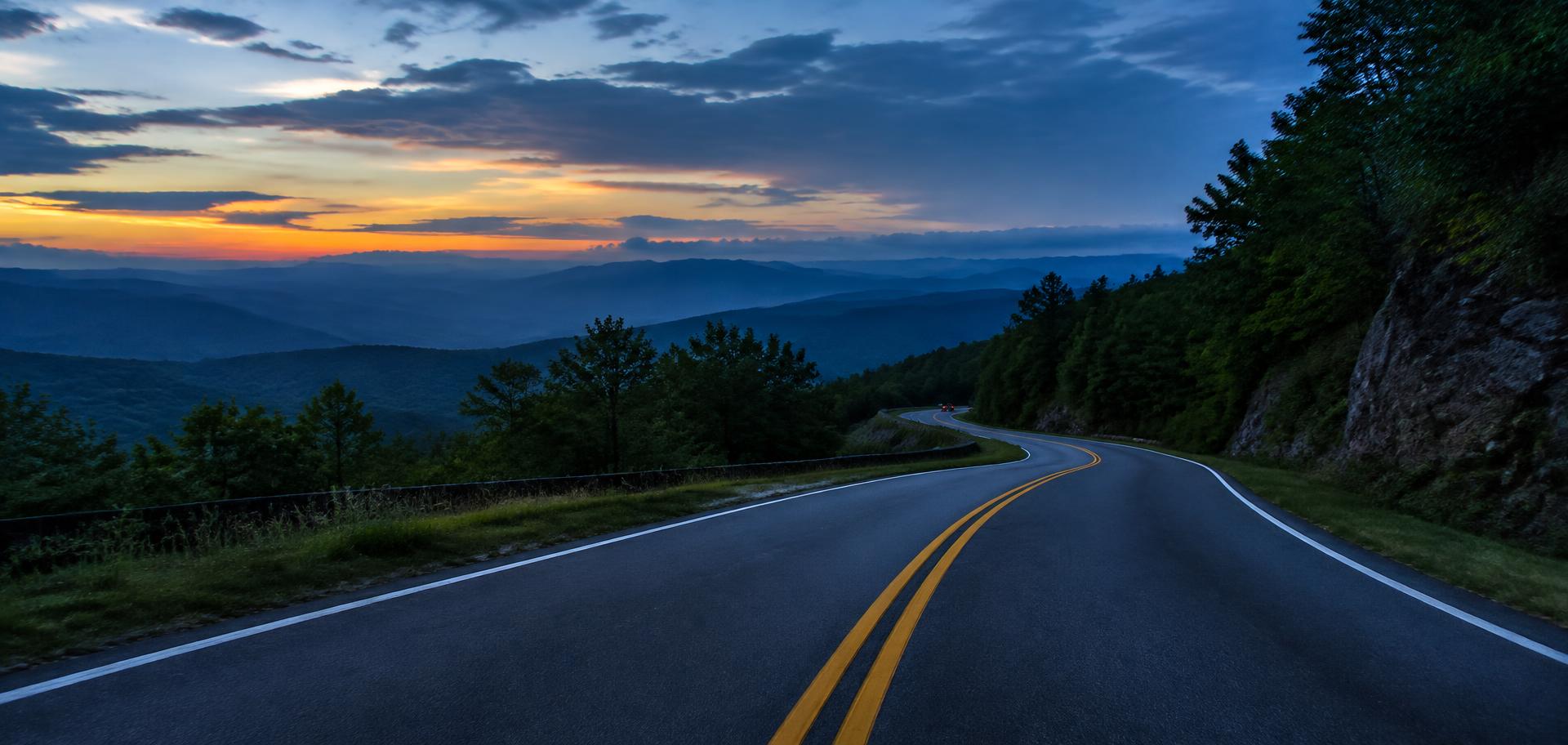

The drive from Maryville toward the Great Smoky Mountains is one of the best parts of living in Blount County. US-321 follows the Little River through Walland and into Townsend, and the Foothills Parkway climbs above it all with overlooks that stop you in your tracks. It's also a stretch of road where services thin out quickly, cell signal comes and goes, and a breakdown can feel a long way from help.
If your car starts acting up on the way to the mountains, a calm plan makes all the difference. This guide walks through what to do in the first few minutes, how to stay safe while you wait, and exactly what to tell us so we can find you fast.
First: get the car somewhere safe
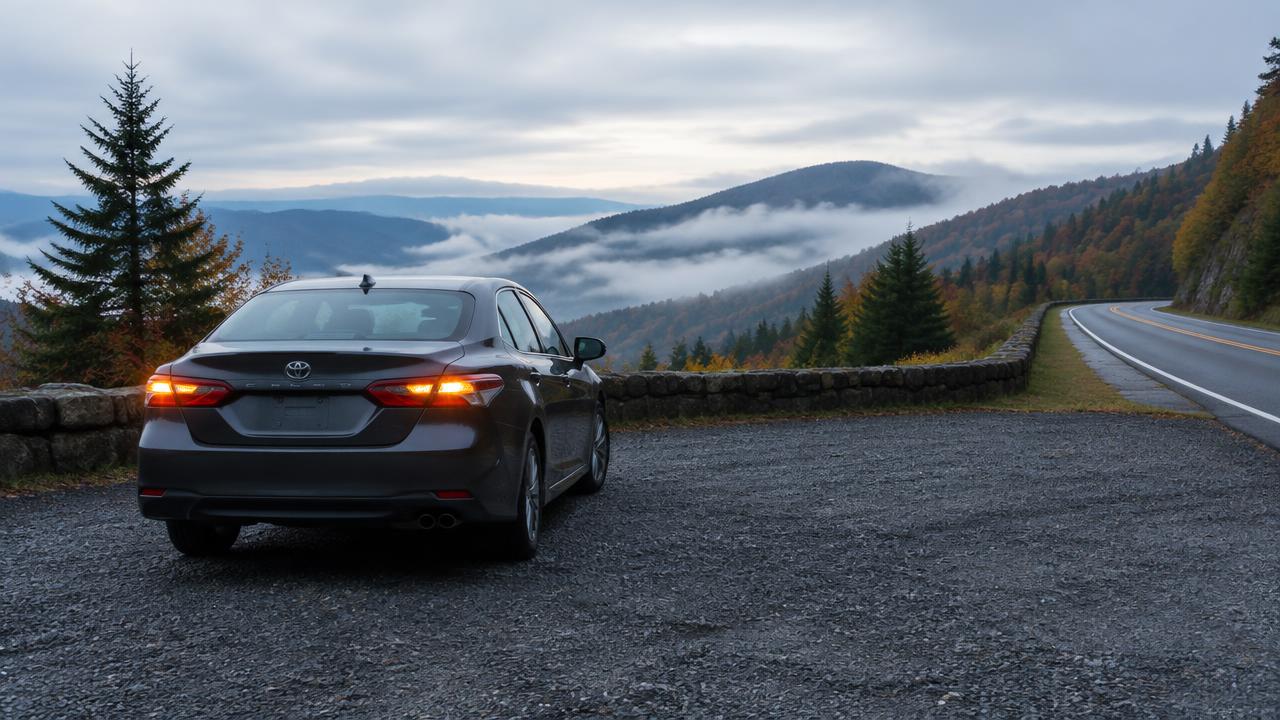
Most breakdowns give you a little warning: a shudder, a warning light, a strange noise, or a sudden loss of power. Use those seconds wisely. On US-321, look for a wide shoulder, a business lot, or a pull-off by the river. On the Foothills Parkway, overlooks are your best friend; they're wide, visible, and away from the travel lanes.
Avoid stopping on a curve or just over a hill crest. Drivers coming around the bend won't see you in time, and mountain roads have plenty of both.
- Signal and ease off the gas as soon as something feels wrong.
- Steer toward the widest, straightest safe spot you can reach.
- Turn on your hazard lights before you come to a stop.
- Set the parking brake and turn the wheels away from the road.
- If it's safe to get out, exit on the side away from traffic.
Stay visible and stay put
Once you've stopped, your job is to be seen and stay out of harm's way. Keep hazards on the whole time. If you have reflective triangles or flares, place them behind the car where approaching drivers will see them early. At dusk or after dark, keep interior lights off so your eyes adjust and you can watch the road.
If you're stopped on a narrow shoulder with traffic passing close, it's often safer to stay in the car with your seatbelt on. If there's a guardrail and room beyond it, waiting behind the rail is another good option. Don't stand between your car and traffic, and never try to wave down passing cars on a mountain road.
Need help right now?
(866) 942-5991
Mon–Sat 8:30 AM–11 PM
Find a signal if you need one
Cell coverage in the hollows around Townsend and parts of the Foothills Parkway can be spotty. If you can't get a call through, try these in order:
- Hold the phone higher, or step a few feet uphill and away from rock walls.
- Send a text; texts often go through when calls won't.
- If you're near an overlook, walk to the open edge where signal tends to be stronger.
- If none of that works and the car is safely parked, walk to the nearest business or back toward US-321, staying well off the road.
What to tell us when you call
The more precisely you describe where you are, the faster we can get to you. On mountain roads, street addresses rarely help, but landmarks do. When you reach us at (866) 942-5991, have these ready:
- The road you're on and the direction you were heading (toward Townsend, toward Maryville, toward Walland).
- The nearest landmark: an overlook name, a business, a river access point, or a mile marker.
- Your vehicle's make, model and color.
- What happened: dead battery, flat tire, locked out, or out of fuel.
- A good callback number, in case the line drops.
Common breakdowns on the way to the mountains
Most mountain-road calls fall into four buckets. Dead batteries are common at trailheads and overlooks, where people leave the radio or lights on while they take in the view. Flats happen on the curvy stretches where debris collects along the shoulder. Running out of fuel sneaks up on drivers who expected another gas station past Townsend. And lockouts happen constantly at tubing spots, picnic areas and river pull-offs.
We handle all four on site: a jumpstart, installing your spare, enough fuel to reach a station, or opening the door without damage. We don't tow, so if the problem is bigger than one of those, we'll tell you honestly on the phone so you can make the right call.
What to expect when Austin arrives
Austin will use your direction of travel and landmark to approach from the right side of the road. Keep your phone nearby in case he needs you to confirm an overlook entrance, a gravel pull-off or a driveway that is easy to miss. Turning your flashers on, even in daylight, makes the stopped car easier to pick out among parked visitor vehicles.
Once he reaches you, he will confirm the vehicle and the problem you described. For a jumpstart, he will need access to the hood or the manufacturer's jump terminals. For a tire change, clear a path to the trunk or rear cargo area if you can do it safely. For a lockout, stay nearby so you can confirm the vehicle is yours. For fuel delivery, tell him the fuel type again before anything is added.
Before he leaves, make sure the engine stays running, the spare is seated, your keys are back in your hand, or the car has restarted after fuel was added. If your next stop should be a parts store, tire shop or gas station, ask for the simplest route from where you are parked.
Mistakes to avoid on mountain roads
A stressful stop can make an unnecessary risk seem reasonable. These choices usually make the situation harder:
- Do not stand on the traffic side to inspect a tire or wave at an approaching service vehicle.
- Do not crawl under a car supported only by its emergency jack, especially on a sloped shoulder.
- Do not keep cranking a silent starter for long stretches; pause and describe the sound instead.
- Do not walk along US-321 for fuel unless you can reach a business without walking near traffic.
- Do not leave children, pets or anyone with limited mobility in a hot or cold car while you go looking for a signal.
- Do not assume a car parked behind you is Austin; speak with him before getting out or opening the door.
If the weather turns while you wait
Rain and fog can arrive quickly around Walland and Townsend. Use your hazards, but avoid switching on every accessory and draining a weak battery. If lightning, rising water or another immediate hazard makes the car unsafe, move to a sheltered place only when you can reach it without crossing traffic. Tell Austin where you will be and how to reach you by phone.
On cold evenings, a jacket and blanket are more useful than repeatedly restarting the engine for heat. If the engine is running and you remain inside, keep the exhaust area clear and never run the car in an enclosed garage or cabin space.
A little prep goes a long way
Before a day trip into the mountains, top off the tank in Maryville or Townsend, check that your spare has air, and make sure your phone is charged. Toss a flashlight, a bottle of water and a light jacket in the car. Temperatures drop fast at elevation, and waiting is more comfortable when you're ready for it.
Need help right now?
(866) 942-5991
Mon–Sat 8:30 AM–11 PM
Related
Learn more about our jumpstarts service, or see roadside help in Townsend and Walland.